Indonesia's Personal Data Protection Law (UU PDP)
Indonesia’s Personal Data Protection Law (UU PDP)
What’s the Big Deal with This Law?
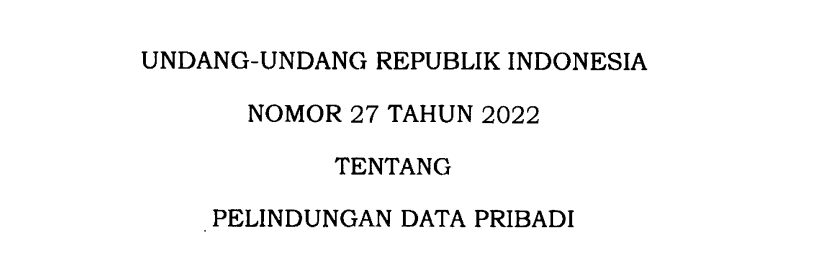
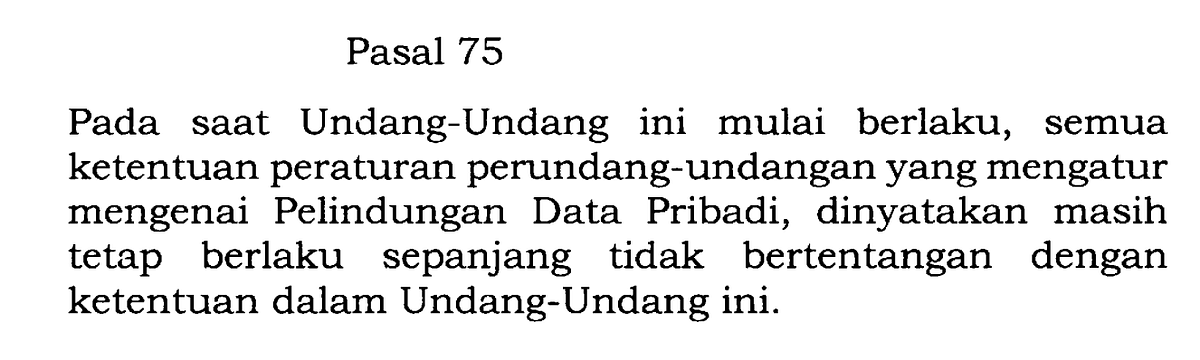
Let’s break it down, guys. UU 27/2022, also known as UU PDP, is Indonesia’s shiny new data protection law. It hit the books on October 17, 2022, but here’s the kicker: it came with a two-year grace period. According to Article 73, all the players involved — that’s Personal Data Controllers, Processors, and anyone else handling personal data — have until October 17, 2024, to get their act together and comply with the new rules. That’s right, the countdown is on, and in about two weeks, everyone needs to be on board with this law.
So, what’s it all about? Well, in a nutshell, it’s your personal info’s new bodyguard. Think of it as a bouncer for your data — it’s there to decide who gets to see your info and who gets shown the door. It’s all about keeping your personal details safe in this wild digital world we’re living in.
Why Did Indonesia Even Need This Law?
- Global Trend: Data protection laws are popping up everywhere. The EU’s GDPR started the party in 2018, and now everyone’s joining in.
- Digital Boom: Indonesia’s internet users are growing faster than ever. More users = more data = more need for protection.
- Data Breaches: Indonesia’s had its fair share of data leaks. Remember the big ones in 2020 (Tokopedia, Cermati, Lazada) and 2021 (BPJS Kesehatan), or even the latest one in 2024 (PDNS)? Yeah, those were wake-up calls.
- Economic Plans: Indonesia’s aiming to be a digital economic powerhouse. But for that, you need people to trust the system.
So, What Exactly Does This Law Cover?
UU 27/2022 is like a Swiss Army knife for data protection. It covers:
- Data Rights: It gives you control over your personal info.
- Business Obligations: Companies need to up their game in handling your data.
- Government Oversight: It sets up a system to make sure everyone’s playing by the rules.
What’s Considered “Data” Under This Law?
In UU 27/2022, data is any true and real information. But when it comes to personal data, we’re talking about two main categories:
- General Personal Data: The everyday stuff that identifies you:
- Full Name
- Gender
- Citizenship
- Religion
- Marital Status
- Personal Data that is combined to identify a person
2. Sensitive Personal Data: The spicy stuff that needs extra protection:
- Health records (like your COVID test results)
- Biometric data (fingerprints, facial recognition)
- Genetic information
- Criminal records
- Children’s data
- Financial information (your bank details, credit score)
- Other data in accordance with the provisions of laws and regulations
Why Should You Care?
- It’s Your Data: This law gives you more control over your personal info. It’s like having a say in who gets to see your diary.
- Protection from Misuse: It helps prevent companies from using your data for shady purposes or selling it without your permission.
- Transparency: Companies now have to be clear about what they’re doing with your data.
- Data Breaches: If a company loses your data, they have to tell you about it quickly. You get to know if your info might be at risk.
- Economic Impact: Better data protection can boost Indonesia’s digital economy by increasing trust in online services.
How Do Companies Stay on the Right Side of This Law?
If you’re running a business, here’s your UU 27/2022 survival guide:
- Get Consent: Always ask before you collect or use someone’s personal data. And make it easy for people to say “no thanks!”
- Be Transparent: Explain why you’re collecting data and what you’re going to do with it. No sneaky business!
- Keep It Safe: Implement strong security measures. Think of it as building a fortress for data.
- Give Access: Let people see and correct their own data. It’s like letting them proofread their own biography.
- Delete When Done: Don’t hoard data. If you don’t need it anymore or if someone asks you to delete it, hit that delete button.
- Report Breaches: If you lose someone’s data, fess up to the authorities and the affected people within 72 hours.
- Appoint a Data Guardian: Have someone in charge of data protection.
What If a Company Breaks the Rules?
If you catch a company playing fast and loose with your data, here’s what you can do:
- Talk to Them: Start by complaining directly to the company. Give them a chance to fix things.
- Go to the Authorities: If the company ignores you, take your complaint to Kominfo (Ministry of Communication and Information Technology).
- Legal Action: You can sue if a company’s actions with your data caused you harm. Time to lawyer up!
- Criminal Cases: For serious violations, you can report to law enforcement. Some data crimes can lead to jail time for the offenders.
The Road Ahead
UU 27/2022 is still pretty new, so everyone’s still figuring out the details. The government’s working on more specific guidelines, so keep your eyes peeled for updates.
Remember, this law isn’t just about following rules — it’s about creating a digital environment where everyone’s rights are respected. It’s a big step for Indonesia in the global digital economy, and it puts the power back in your hands when it comes to your personal data.
So next time a website asks for your info, remember: you’ve got the law on your side!